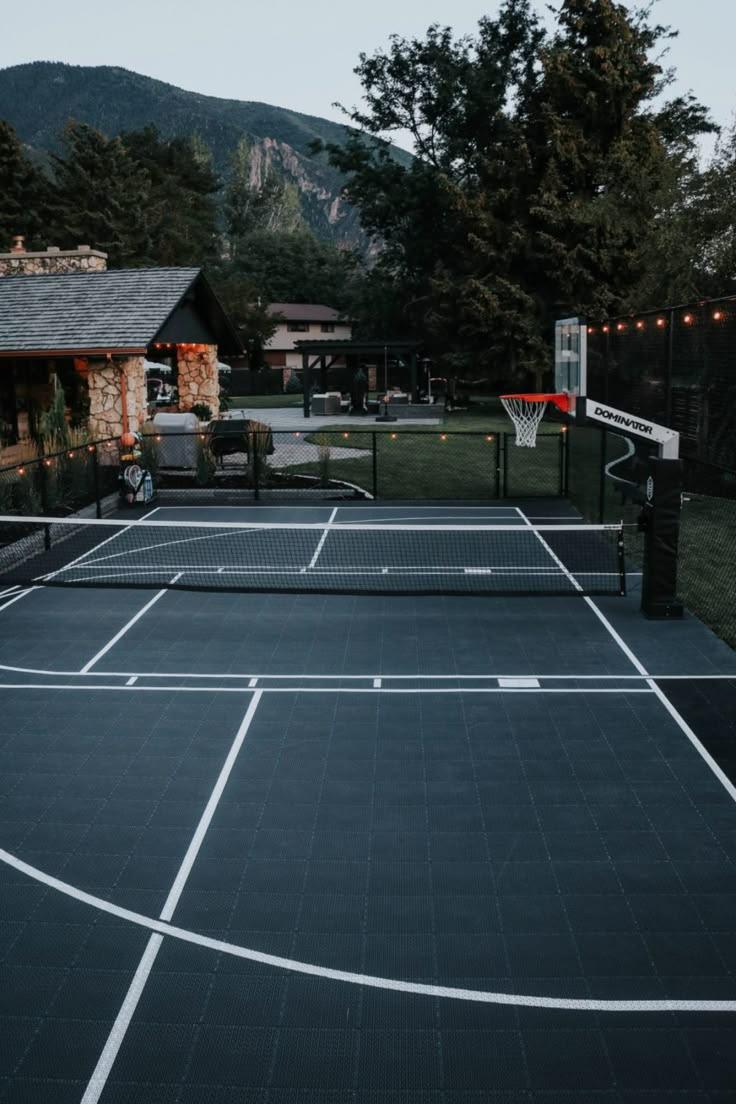
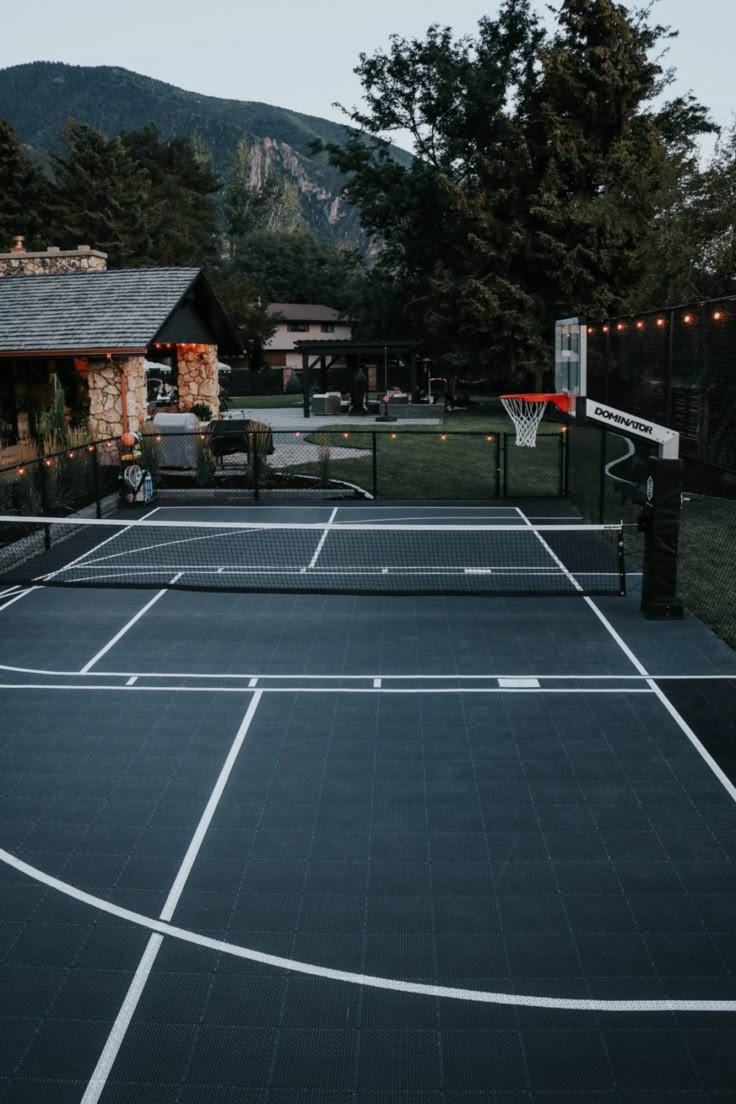
Padel (often called padel tennis) is one of the world’s fastest-growing sports—and for good reason. It’s social, energetic, easy to learn, and incredibly fun. Whether you’re a complete beginner or a seasoned racket-sport player, padel hooks you fast.
What Is Padel?
Padel is a racket sport that blends elements of tennis and squash. It’s usually played in doubles on an enclosed court roughly one-third the size of a tennis court. The walls aren’t just boundaries—they’re part of the game. After the ball bounces, you can play it off the glass walls, creating longer rallies and more strategic play.
Why Is Padel So Popular?
Padel’s global boom isn’t accidental. Here’s why people love it:
Easy to start: Beginners can rally within minutes.
Highly social: Doubles format makes it perfect for friends and families.
Low physical barrier: Less strain on joints compared to tennis.
Fast-paced & tactical: Strategy matters as much as power.
It’s no surprise padel has exploded across Europe, the Middle East, and Latin America—and is now spreading rapidly worldwide.
The Court & Equipment
Court: Enclosed with glass and metal mesh walls
Racket: Solid (no strings), perforated, and lightweight
Ball: Similar to a tennis ball, but with slightly less pressure
Because the court is smaller, movement is tighter and more explosive—positioning and teamwork become key.
How Padel Is Played
The rules are simple and intuitive:
Serve underhand after one bounce
The ball must bounce once before hitting the wall
Walls can be used during rallies, but not directly on the serve
Scoring is similar to tennis (15, 30, 40, game)
This simplicity makes padel incredibly accessible—even for first-timers.
Padel vs Tennis: What’s the Difference?
Feature Padel Tennis
Court Size Smaller, enclosed Larger, open
Play Style Doubles-focused Singles & doubles
Racket Solid, stringless Strung racket
Difficulty for Beginners Easier Moderate
Padel emphasizes control, angles, and teamwork over raw power.
Health & Lifestyle Benefits
Beyond the fun, padel offers real benefits:
Improves cardio fitness
Boosts reflexes and coordination
Encourages social interaction
Reduces stress (seriously—it’s addictive in a good way)
Many people who “don’t like gyms” fall in love with padel because it feels more like play than exercise.
The Future of Padel
With professional tours, premium indoor courts, and tech-driven booking apps, padel is no longer just a trend—it’s a lifestyle sport. Countries are investing heavily in padel infrastructure, and clubs are popping up in malls, hotels, and residential communities.
Final Thoughts
Padel is more than just a game—it’s a social experience, a fitness booster, and a sport anyone can enjoy. If you haven’t tried it yet, grab a racket, book a court, and jump in. Chances are, you’ll be back for more 🎾